

HOW A COMPANY GETS REVIEWED
The Long View Standard is a proprietary research process. Every company that enters it gets some type of review. What changes is how deep that review goes.
A company gets into the initial scan by showing enough surface-level signals to be worth the analyst time. It does not need to be a perfect fit. It needs to be plausibly interesting. Most companies that enter the scan do not survive the deeper verification work. That is by design.
The discipline of rejection is what gives the final list its credibility.
This cycle 22 companies met the criteria for some type of review. Three made the deep research list. That number is not a failure of the process. It is the process working.
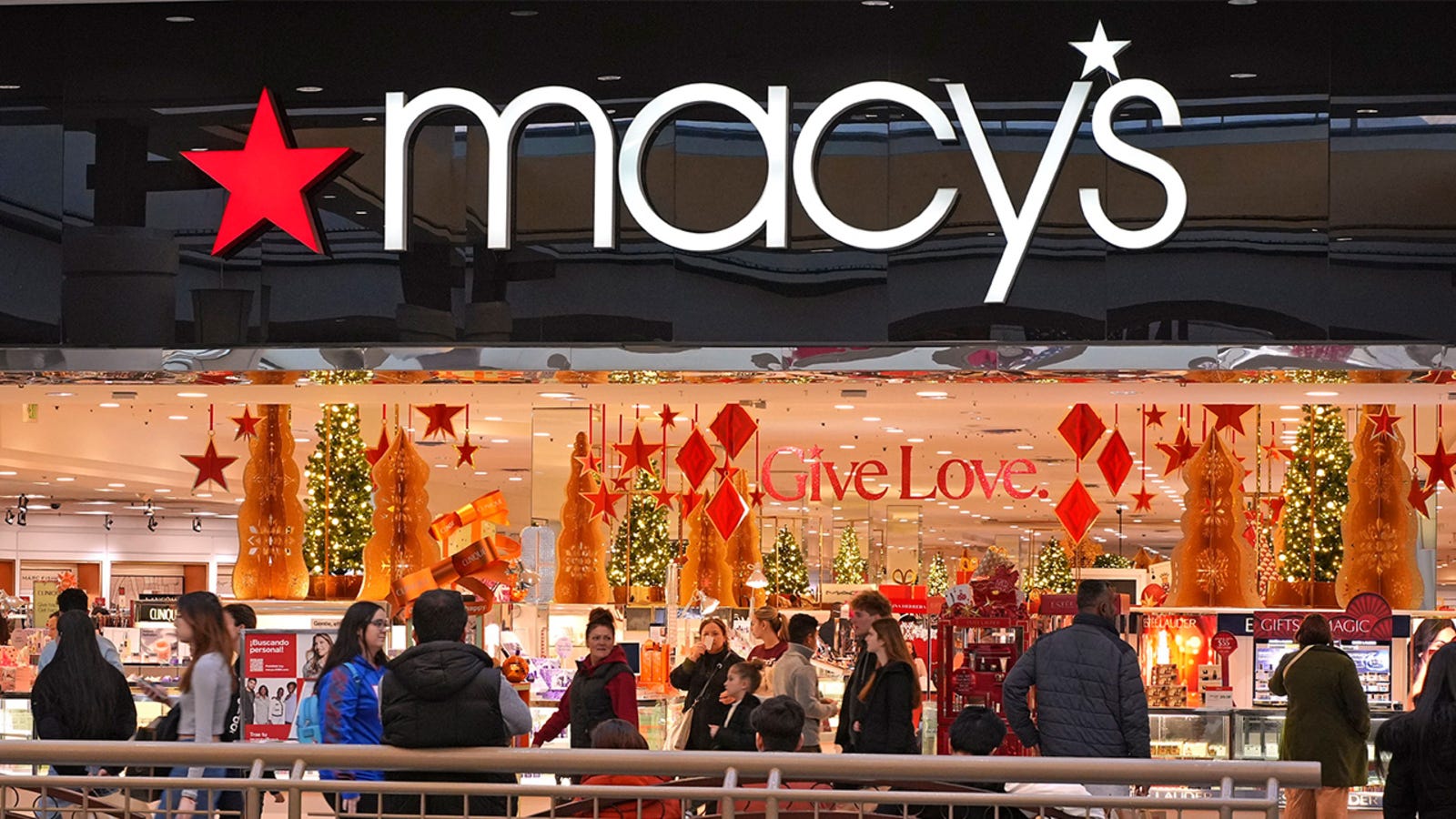
WHY MACY’S GOT LOOKED AT
Macy’s showed up on the initial scan because several things were visible on the surface. A compressed multiple relative to its own trading history. Multi-year positive free cash flow through a difficult operating period. Active share repurchases executing at depressed prices. A store closure program with a defined endpoint in 2026. And a history of activist investor interest pointing toward real estate value the market may not be pricing correctly.
That combination was interesting enough to warrant a closer look. It does not mean the thesis is right. It means the surface warranted checking.
WHAT THE VERIFICATION FOUND
The deeper review identified two areas where Macy’s does not meet the standard The Long View requires for its highest conviction research.
First, Macy’s is widely covered. Multiple sell-side analysts carry active price targets. The information environment around this stock is saturated. Whatever the correct answer is, institutional money has been looking at it for years.
Second, the insider activity in the SEC filings does not show the personal conviction signal the standard looks for. The executive transactions on Form 4 are compensation-related. No director or officer has made a personal open-market purchase with their own capital at these prices.
The surface signals were real. The verification found the gaps. Macy’s did not make the deep research list.
WHAT THE STOCK STORY FIREWALL FOUND
Even when a company does not make the deep research list, it can still carry a specific, testable assumption worth tracking. That is what the Stock Story Firewall is designed to find.
The hidden assumption in the Macy’s story: the roughly 350 go-forward stores receiving investment are already demonstrating meaningfully better comparable sales than the stores being closed. Not eventually. Right now, in the current filing.
Q1 2026 results dropped June 3rd. Go-forward comparable sales increased 3.1 percent. Total company comparable sales increased 3.0 percent. The 200 reimagined stores grew 2.4 percent. Their eighth positive quarter in the last nine.
Bloomingdale’s grew 10.2 percent. Seven consecutive quarters of gains. Bluemercury grew 6.4 percent. First quarterly sales growth in nearly four years. Full-year guidance raised.
The hidden assumption is holding in Q1. The gap exists. The direction is positive.
WHAT WATCH MEANS
The Firewall classification for Macy’s is Watch.
Watch means the assumption is present and the early filing evidence supports it. It does not mean the deep research standard has been met. It does not mean the two verification gaps have closed. It means this is a company worth monitoring, with a specific, testable assumption that the filings will confirm or challenge quarter by quarter.
Watch is not a recommendation. It is a documented position with a specific question attached to it.
WHAT HAPPENS IN AUGUST
Macy’s Q2 earnings are scheduled for August 2026. One number answers the question the Firewall is tracking.
The go-forward comparable sales figure. If it holds at or above 2 percent for a second consecutive quarter while the gap to the total fleet stays positive, the assumption is durable. If it turns negative while management points to macro conditions, Watch may be the ceiling for this name.
That date is on the calendar. When the filing drops, the analysis runs and the result publishes here first.
Not investment advice. The subscriber decides.
Every cycle creates a new narrative around old businesses.
The real question isn't whether a company is loved or hated today. It's whether the market's perception is changing faster than fundamentals.
That's where repricing usually begins.