

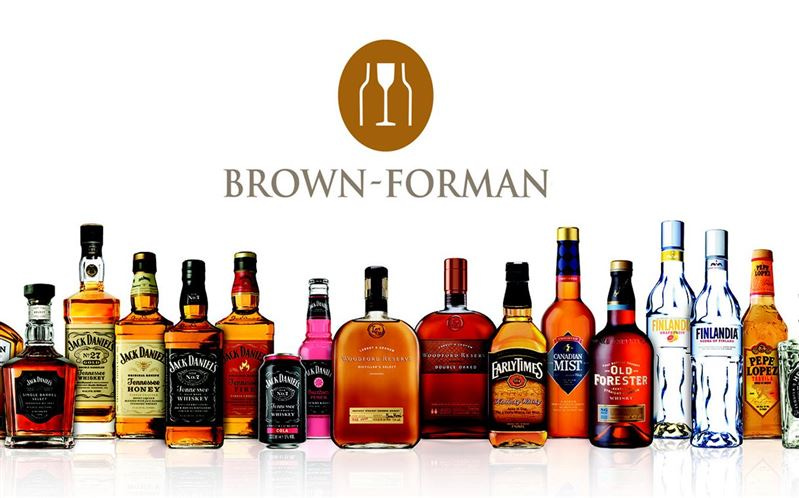
Core Question
Is Brown-Forman’s brand strength still supported by durable consumer demand, or is the demand base becoming less forgiving underneath the brand?
Objective: Help readers separate brand recognition from category durability.
Brown-Forman is useful because the investor mistake feels reasonable.
Someone looks at the business and thinks: These brands have been around forever. Demand must be durable.
That belief is understandable.
Brown-Forman has recognizable brands, long histories, distribution, pricing experience, and consumer familiarity.
But Demand Durability asks whether those strengths are still being reinforced by current behavior.
The risk is not that the brand disappears. The risk is that the category becomes harder, volumes soften, consumer occasions change, and the economics become less forgiving while the brand still looks strong.
That is the slow erosion problem.
What the framework clarifies
Brown-Forman’s demand is tied to repeated consumer occasions, not recognition alone.
Brand familiarity can mask weakening volume or category pressure.
A company can remain high quality while growth becomes harder.
Demand erosion can show up gradually before the brand looks impaired.
Historical demand is not proof of future demand durability.
How to use this immediately
Do not treat brand recognition as the whole moat.
Ask whether consumer behavior still reinforces the brand.
Track volume, pricing, category participation, and consumer occasions.
Look for whether growth is supported by demand or carried by pricing.
Separate brand memory from demand quality.
Long View takeaway
Brown-Forman shows that a familiar brand can remain strong while the demand structure underneath it becomes less reliable.